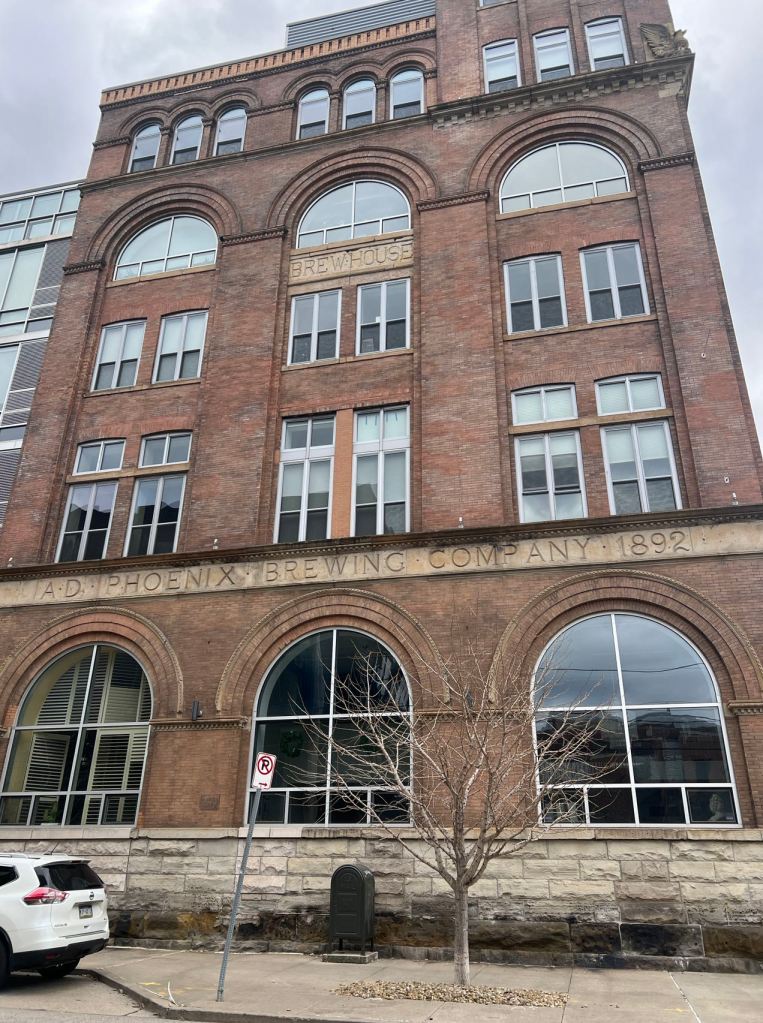
Voxalburgh is a location-based mobile AR game with a theme of exchanging postcards that tells historical culture stories and reinforces culture integration.
We chose exchanging postcards (aka. Postcrossing) as our theme because postcards can be the metaphor for the connection between people with different cultures.
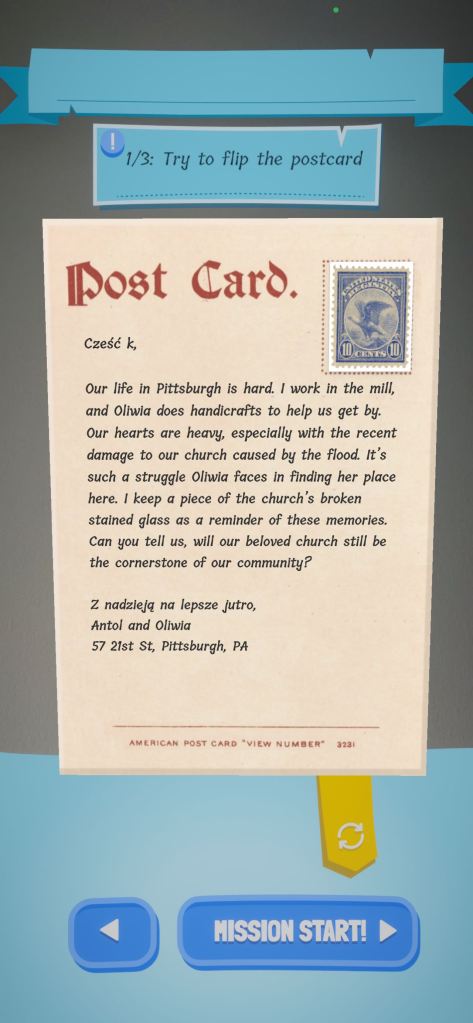
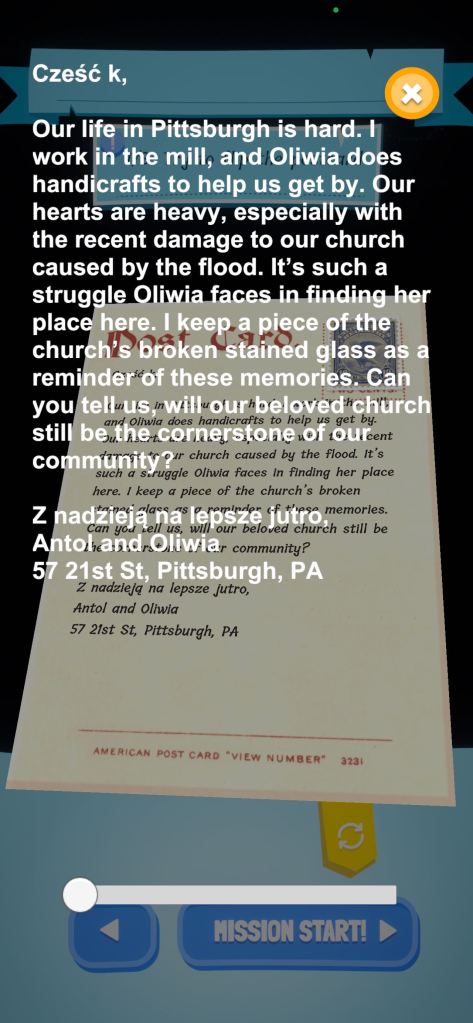
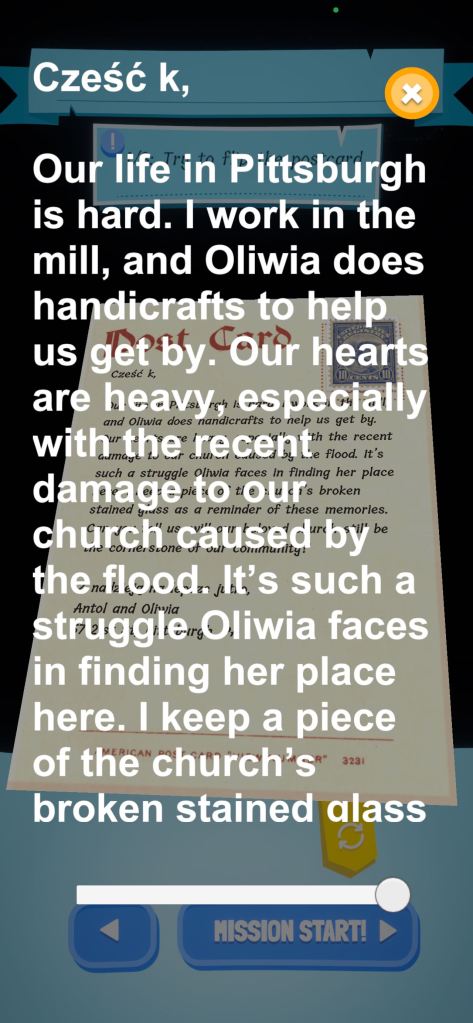
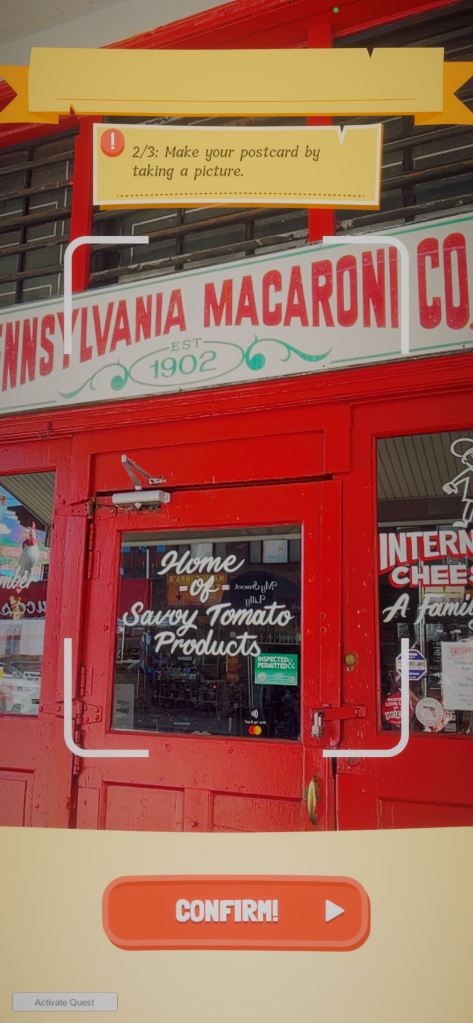
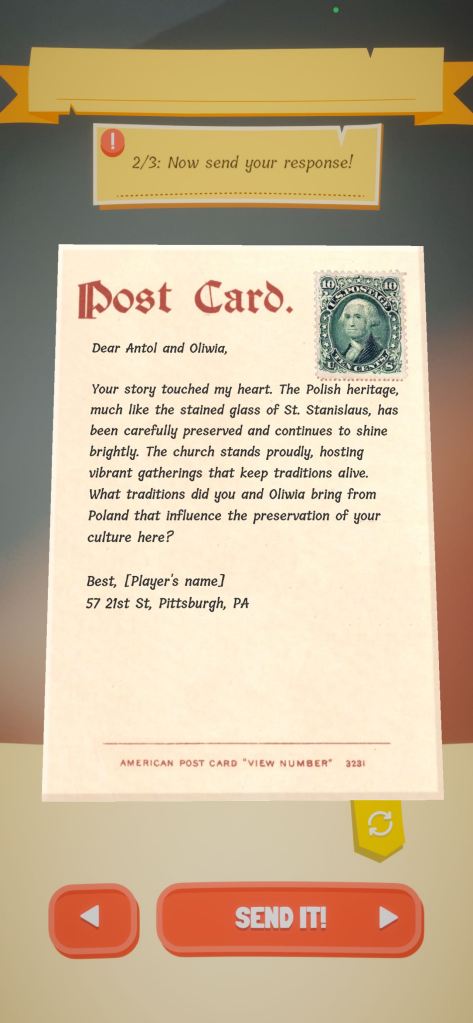
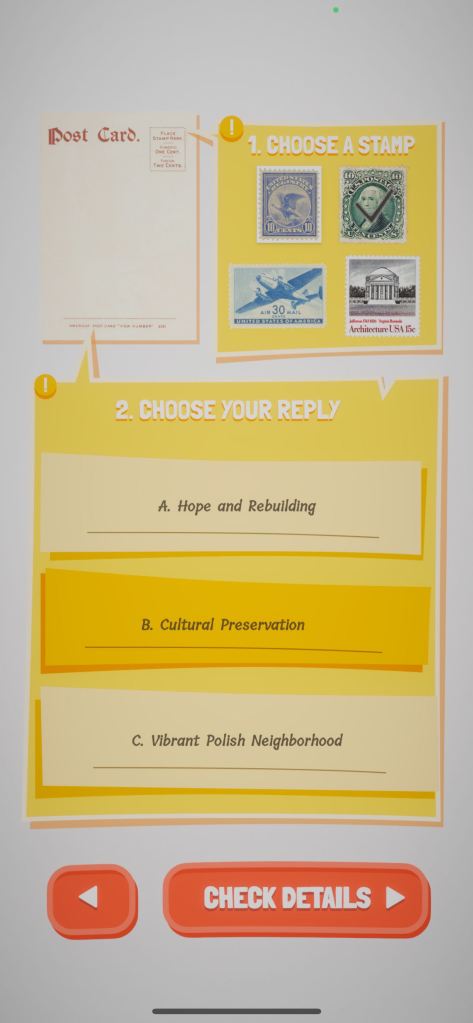
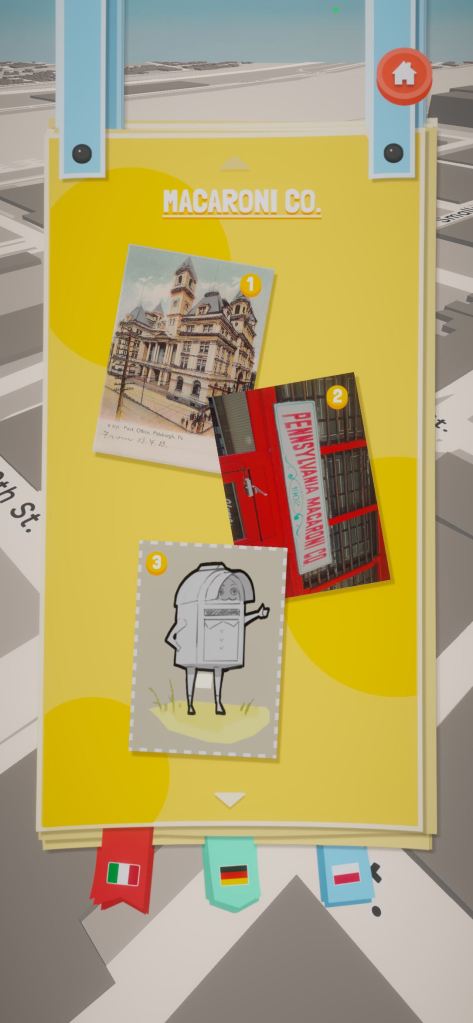
In our game, players can interact with AR virtual characters, experiencing postcard exchange experiences, customizing their own postcards by taking pictures and deciding replies, and collecting different postcards in the album.
| Project Type | Semester-long Group Project |
| Platform | IOS/Android + Niantic Lightship |
| Engine | Unity |
| Primary Role(s) | Lead Game Designer/Narrative Designer |
Video Trailer
Responsibilities
- Brainstormed gameplay ideas and integrated multiple ideas based on client’s needs, and developed the idea of exchanging postcards in game.
- Iterated on previous prototypes and designed complete game systems, AR interactions, and visual effect.
- Researched on historical landmarks in specific areas in Pittsburgh and drafted narratives.
How we came up with Postcrossing
First Design
Before we pivot to our Postcrossing idea, we have decided our game mechanisms to be around ‘Treasure Hunting’ and ‘Collecting Items’ gameplay, while we also need to implement narratives into our game.
Since it’s related to history and culture, we first decided that our player would play as an antique shop owner and collect virtual antiques from different cultures. When the player obtains the antiques after interacting with certain locations in the Strip District, they will have a conversation with the former owner of this antique.
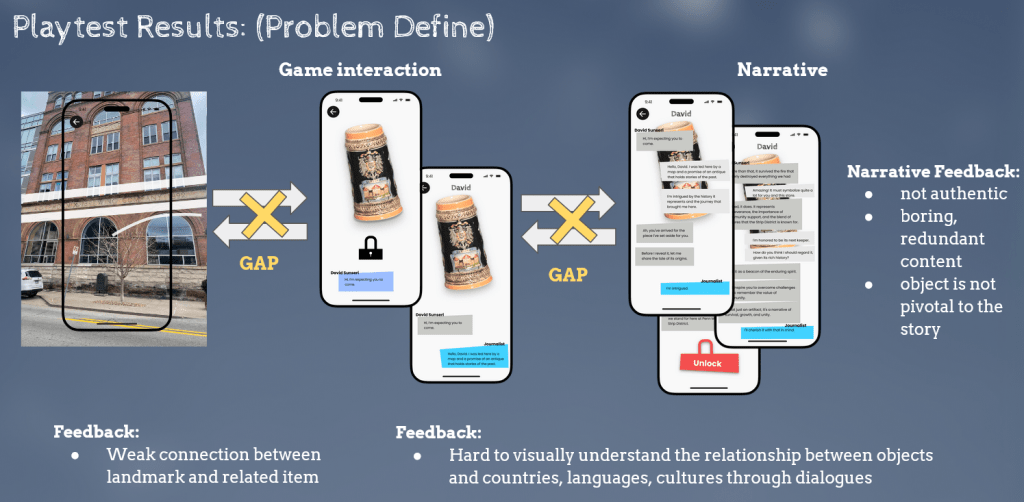
However, after playtests, we found the connection between the historical locations and the antiques obtained is too weak for the playtesters to understand the historical story behind the locations and the antiques. Moreover, we received negative feedback from the playtesters that they are not willing to read long paragraphs, displaying narratives in the form of conversation is proved to be long and boring.
New Idea – Postcrossing
After talking to the tech team and having a field trip in the Strip District, I have found that:
- To carry out a successful registration of triggering the AR interactions, we need anchors that have a size like a small fountain.
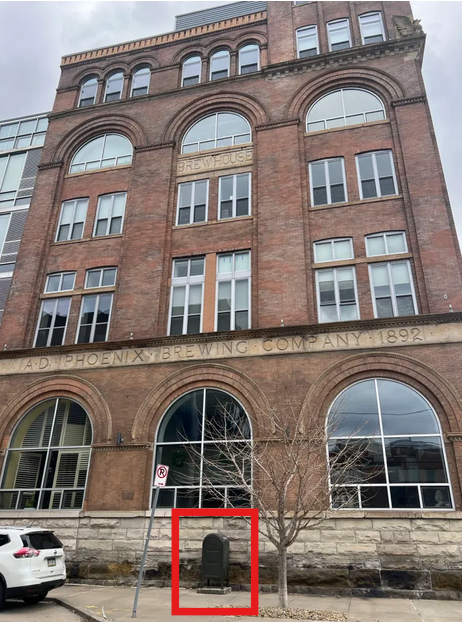
- There are many mailboxes near the historical locations, and their size is perfect for being scanned as an anchor.
Based on the game mechanisms we have designed and the tech information I learned, I integrated the ideas together and came up with the idea of postcrossing, which is related to the mailboxes we have found in the Strip District. Moreover, condensing the narratives onto a postcard could make the content easier and less time-consuming to read, which is more user-friendly.
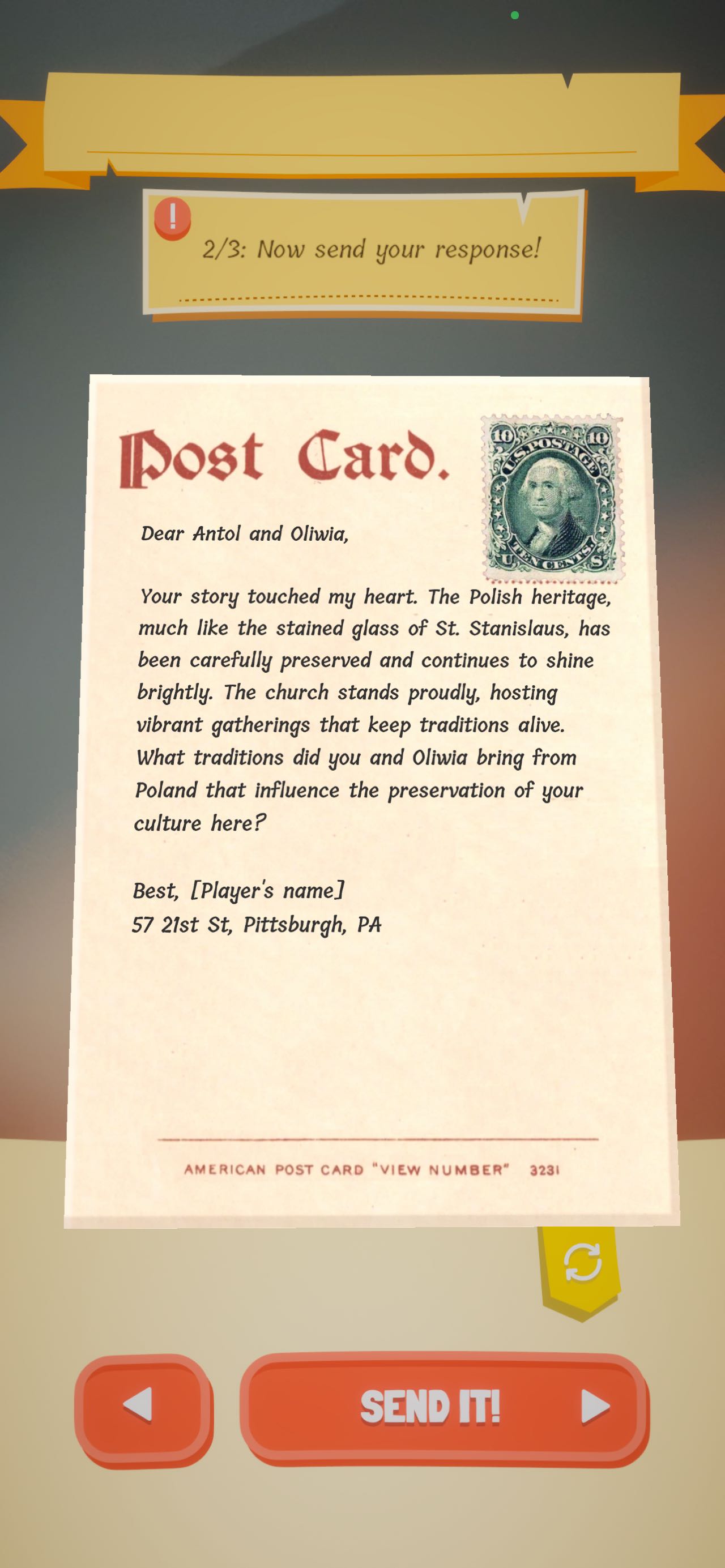
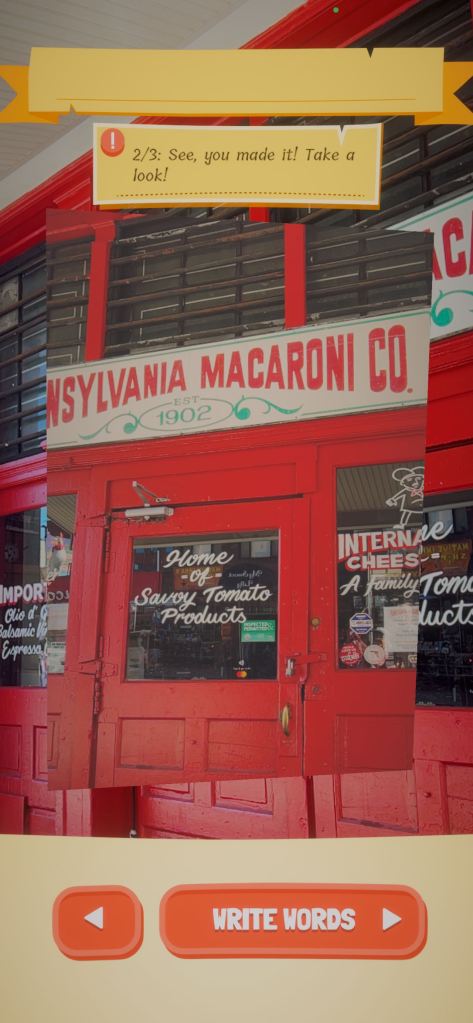
Then, speaking of AR, people usually need their cameras to scan the environment and interact with virtual characters. Since players will use camera anyway, the idea of taking photos for the historical locations immediately came up, and it is decided to be used as the front picture of the postcard that the player customizes.
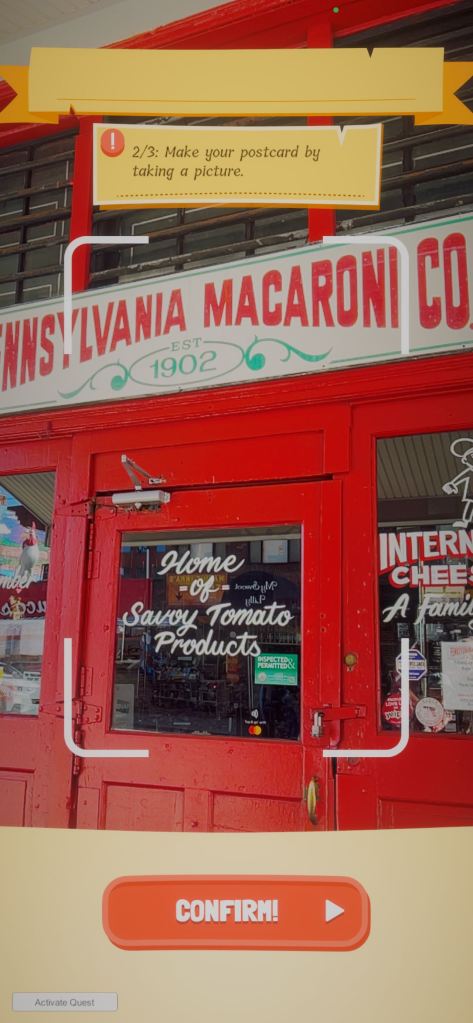
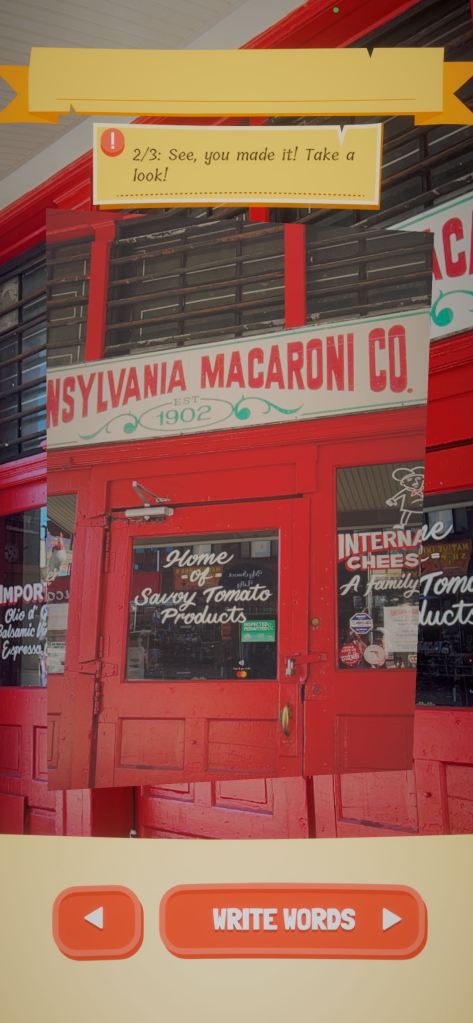
Since this idea perfectly fits our goal of letting more people know about culture integration, we started to develop our game into a real product.
Fake Interior Effect
When designing the Postcrossing game mechanism, I always ask myself as a designer what could make a virtual postcard different from a real postcard. The answer came to create postcards that players are unable to see in real life, which is to create a ‘space’ inside the front of the postcard, often called ‘Fake Interior’.
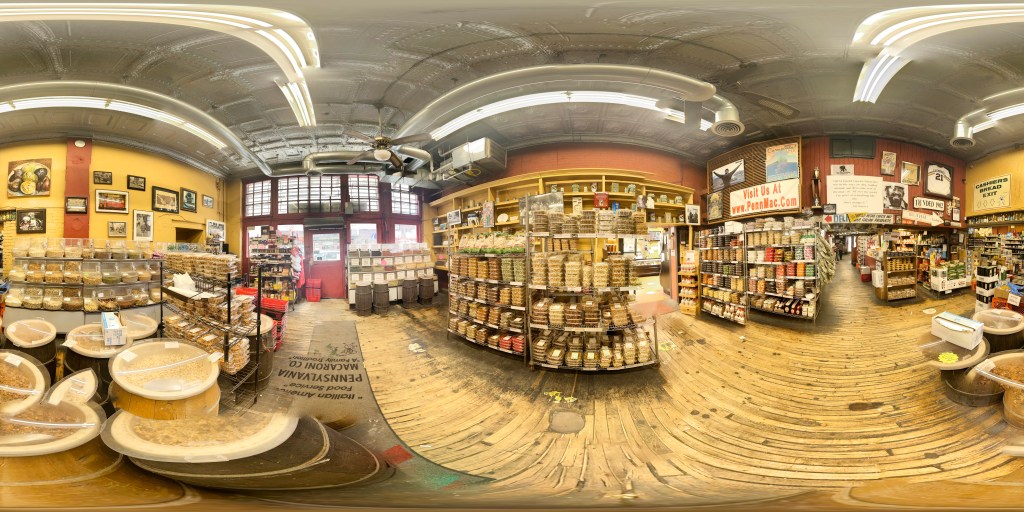
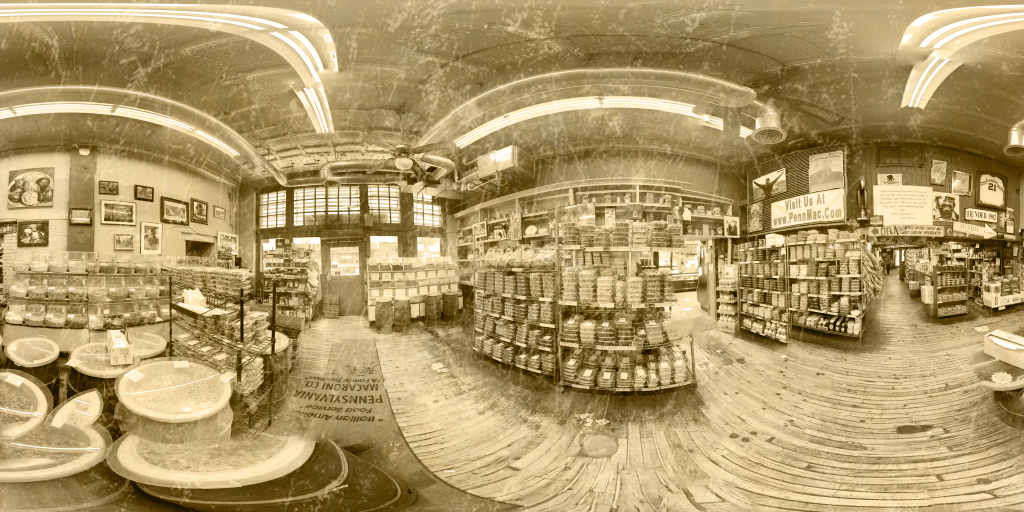
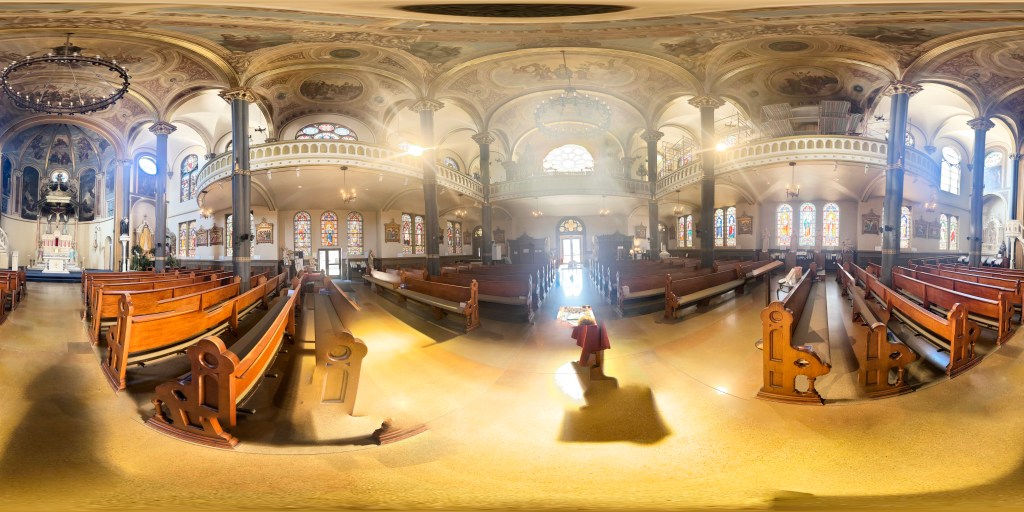
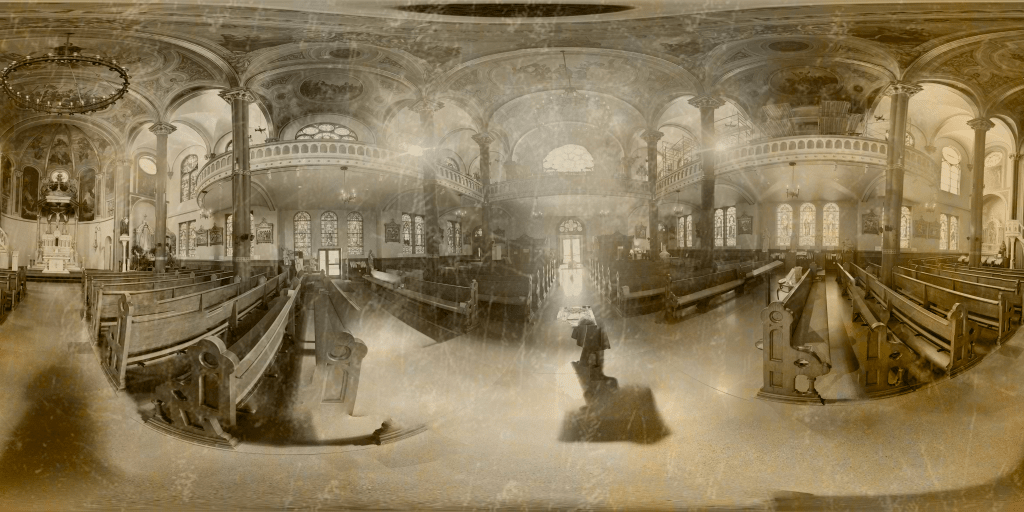
Collaborating with our technical artist, we made this visual effect come true, where this picture looks like there is space inside the postcard, but there isn’t and it’s just simply a piece of ‘thick paper’.
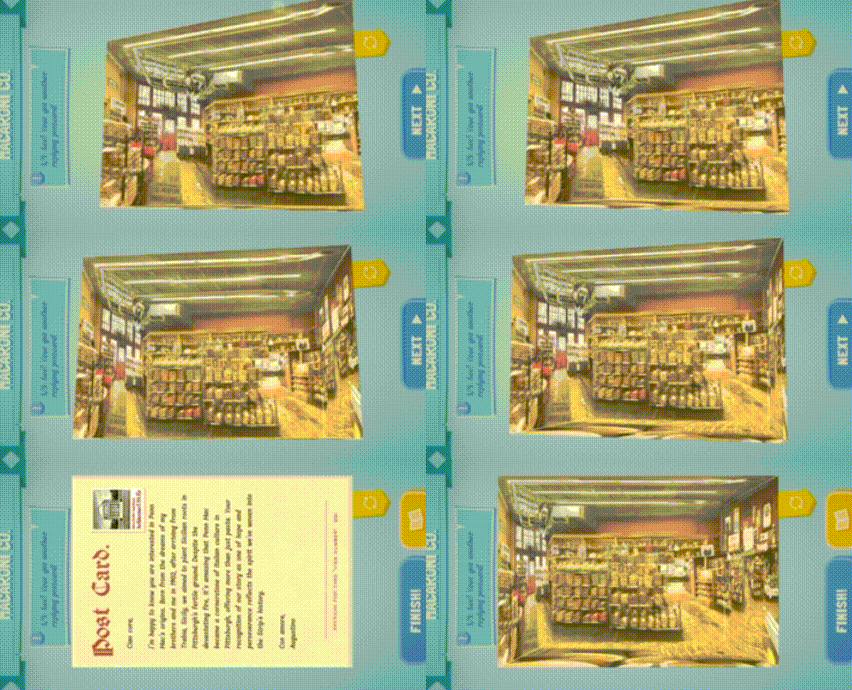
This works as a reward for the player because the picture we are using for this postcard is the interior of the historical locations, so if the player is not at Pittsburgh in the future, they can still enter our game and check this location out. From our playtest feedback, players are surprised by this fantastic effect and they enjoy rotating around and finding out the inside of those locations.
Game Design Document
To enable a better development process, I have written a detailed game design document with all the game flows existing in our games as well as deluxe gameplays that could be implemented into our game in the future.
Gallery
 JENNIFER GU